PRODUCT
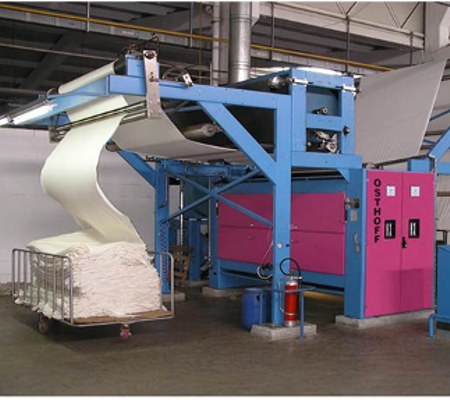
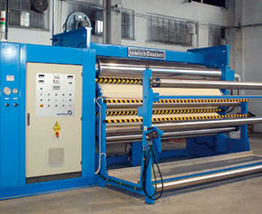
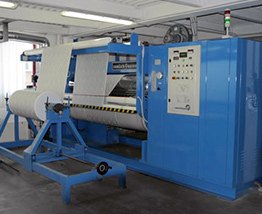
Osthoff Double-jet Singeing Machine
With patented technology, high reliability, precision, performance, capacity, and low energy consumption, Osthoff-Senge double-jet singeing machines use high performance double-jet burners in all machine types. A process controller that keeps the singeing effect constant at all times, eliminating the possibility of damage to the fabric.
Manufactured by: Osthoff-Senge GmbH & Co. KG, Germany
-
FEATURES
-
BENEFITS
-
RESOURCES
-
GET A QUOTE
-
Key Features
- Applicable for different types of fabric
- Sequencing unit
- Automatic flame width adjustment
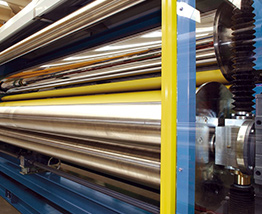
- Four singeing positions, centreing devices, flat rollers, counter rotating scroll rolls
- Double-jet burner
- Complete PLC machine with chemical dosing
- Comes with an optical scanning device
- No pilling on surface
- Clear-cut visibility of knit structure
- Improved appearance
- Attracts no soil
- Sharper lines can be printed
- Less weight loss
- No shade change
- No effluent
- Can be done on grey fabric
- Lowest operating costs
Frequently asked questions
A singeing machine is used to remove protruding fibres, fuzz, and loose yarn ends from the fabric surface by passing it over a controlled flame or heated element. This process creates a cleaner, smoother fabric appearance and improves the quality of subsequent processes such as dyeing, printing, and finishing.
An open width knit singeing machine processes open-width knitted fabrics in a fully opened state. The fabric passes through a controlled singeing zone where surface fibres are burned off evenly without damaging the fabric structure. Advanced machines also include brushing, suction, and cooling systems to ensure consistent singeing and enhanced fabric quality.
Singeing is a mechanical thermal process that removes surface fibres using flame or heat, while bio polishing is an enzymatic treatment that uses cellulase enzymes to remove fibre ends from cotton fabrics. Singeing provides immediate surface cleaning before wet processing, whereas bio polishing is commonly used to improve softness, reduce pilling, and enhance fabric appearance after dyeing or finishing.
Yes. A textile singeing machine significantly improves knit fabric quality by reducing surface hairiness, minimising pilling, enhancing fabric smoothness, and creating a more uniform appearance. The result is improved dye uptake, sharper printing results, and a higher-quality finished fabric.
Open width singeing is preferred for knit fabrics because it allows the fabric to be processed evenly across its full width, reducing the risk of creases, streaks, and uneven treatment. This ensures better surface quality, improved fabric appearance, and more consistent results during downstream dyeing, printing, and finishing processes.