
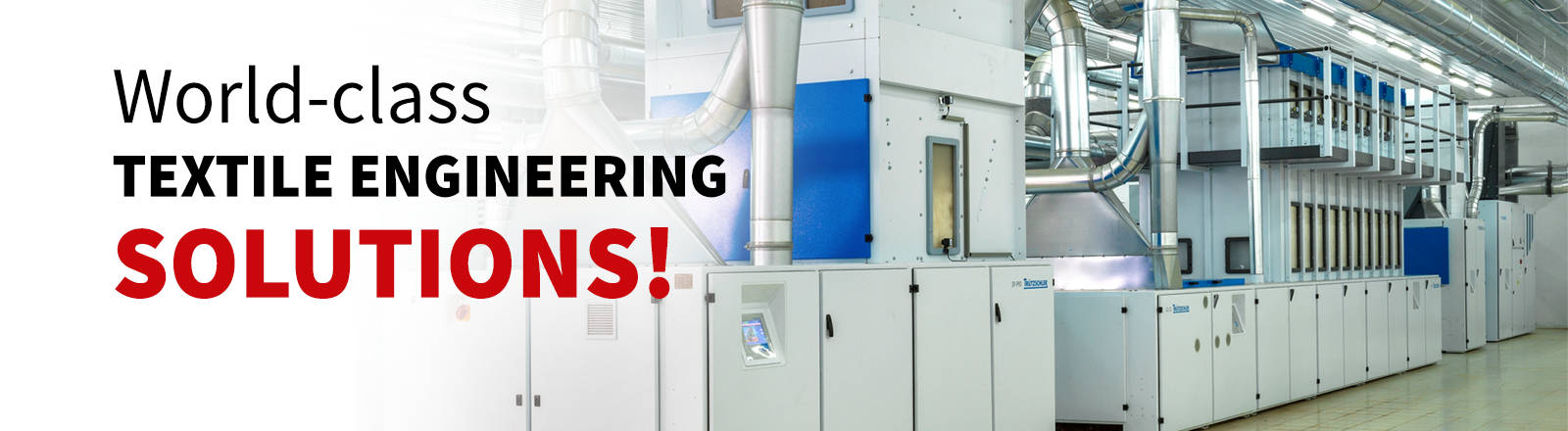
Textile Engineering
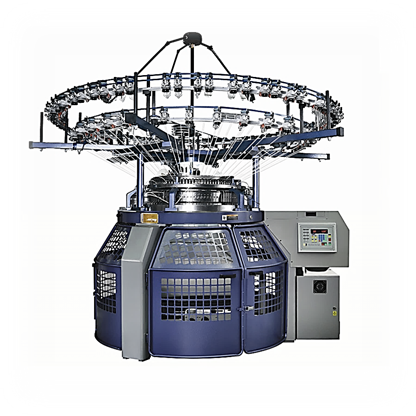
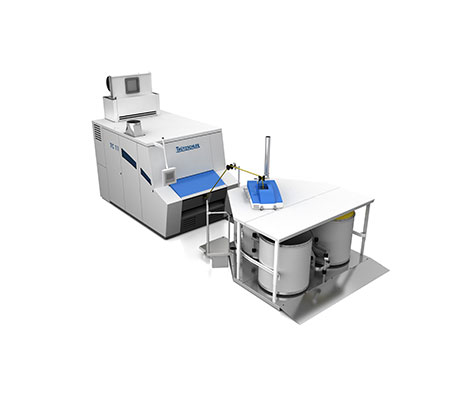
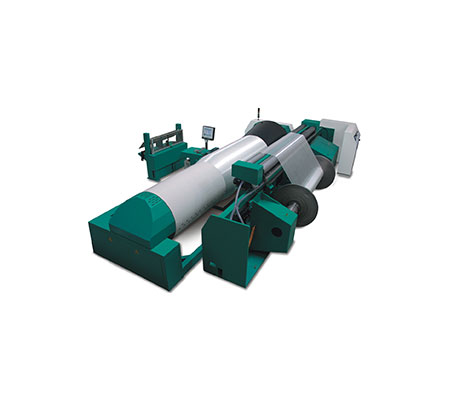
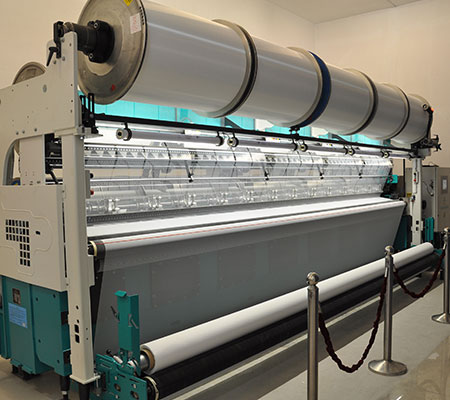
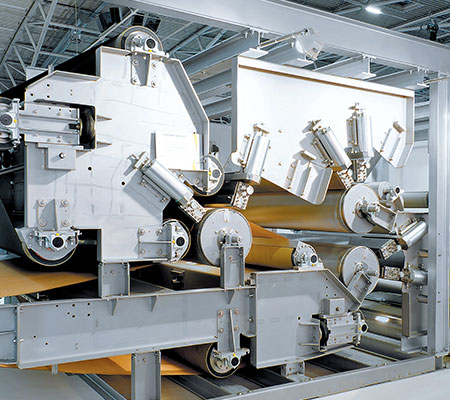
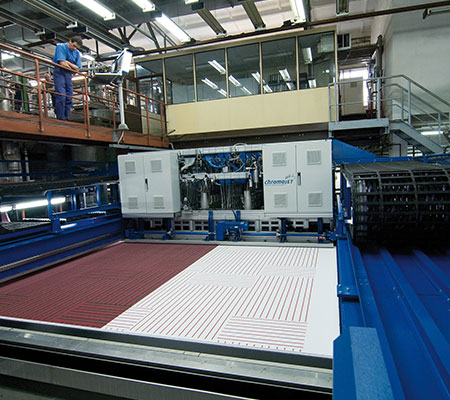
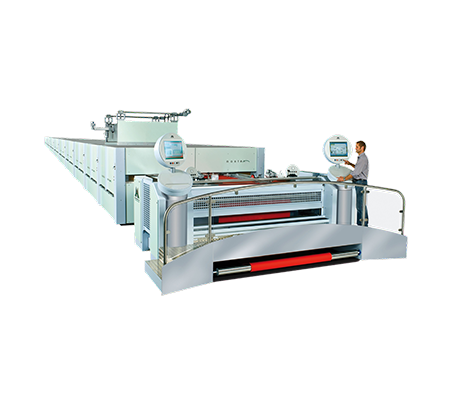
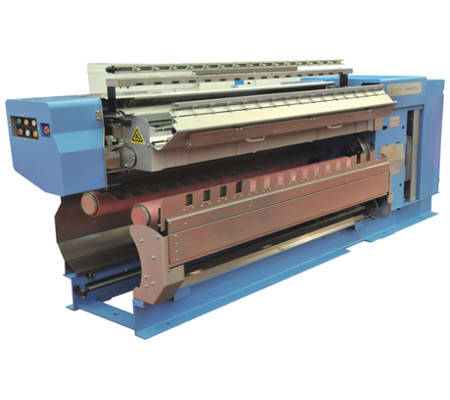
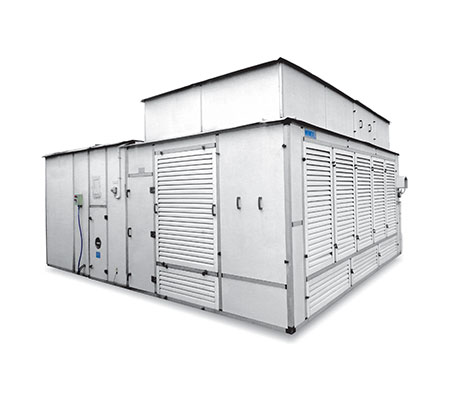
A.T.E. has a formidable presence in textile engineering, both in conventional and technical textiles. We provide a wide range of textile machinery and accessories across the textile value chain along with a comprehensive range of utilities. A.T.E. is thus uniquely positioned as a 'one window solution provider'. Our expertise covers spinning, weaving, knitting, dry and wet finishing, printing, home textiles, synthetic fibres and filaments, carpets, technical textiles and non-wovens, and also utilities such as air engineering, water treatment, effluent treatment and lab equipment. With innovative technology solutions transforming around the world, A.T.E. provides a sustainable competitive advantage to the Indian textile industry. A.T.E. is also well established in technical textiles; with a complete range of products for the manufacture of these textiles: warp knitting machines, needle lines, thermobonding lines, spunlace lines, coating and finishing lines, and the like. Besides the complete spectrum of services from pre-sales to post-sales for several lines, A.T.E. is also viewed as a consulting resource by its customers, in view of its deeply embedded knowledge in textile processes.
Frequently asked questions
Textile engineering involves the design, development, and operation of machinery used to convert fibres into yarn, fabric, and finished textiles through spinning, weaving, knitting, processing, and finishing technologies.
Textile engineering covers spinning, weaving, knitting, dyeing finishing, garmenting, nonwovens, carpets, technical textiles, synthetic yarn production, and textile utilities such as air engineering and water treatment.
Advanced textile machinery improves production speed, fabric quality, energy efficiency, and automation, helping mills reduce waste and operate more competitively.
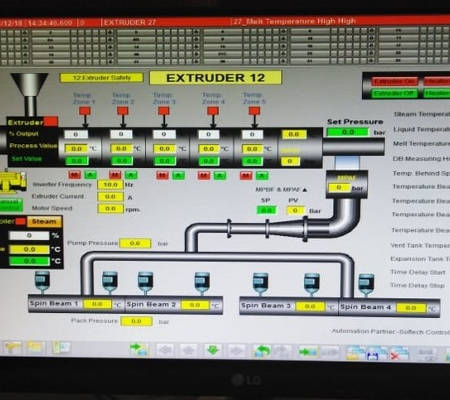
Automation enables real-time monitoring, consistent quality control, reduced manual intervention, and predictive maintenance, leading to higher productivity and fewer production errors.
Yes. Modern textile engineering supports the production of technical textiles used in automotive, medical, construction, protective wear, and industrial applications.
Regular inspection, cleaning, lubrication, calibration, and software monitoring are essential to maintain efficiency, prevent breakdowns, and extend equipment life.
Digital systems allow smart machine control, production analytics, remote diagnostics, and process optimisation, helping manufacturers improve quality and reduce downtime.
Yes. A.T.E. offers consulting, installation, training, spare parts, and after-sales technical services across multiple textile engineering segments.