
Knit Singeing for Cleaner Knits: An Alternative to Bio Polishing
In knit finishing, surface quality often decides how a fabric looks, feels, and performs over time. Loose fibres, fuzziness, and pilling are more than cosmetic issues—they directly affect dyeing consistency, durability, and customer perception.
Knit singeing addresses this challenge by gently removing surface fibres before they become a problem. When done right, it creates a smoother fabric surface that dyes better, pills less, and looks sharper.
But the real question many processors are now asking is: Is our current method truly efficient—or just familiar?
Why conventional surface treatments fall short
Bio‑polishing has been the industry’s go-to solution for years. However, processors increasingly report:
- Heavy fluff accumulation and housekeeping issues
- Loss of fabric body and strength
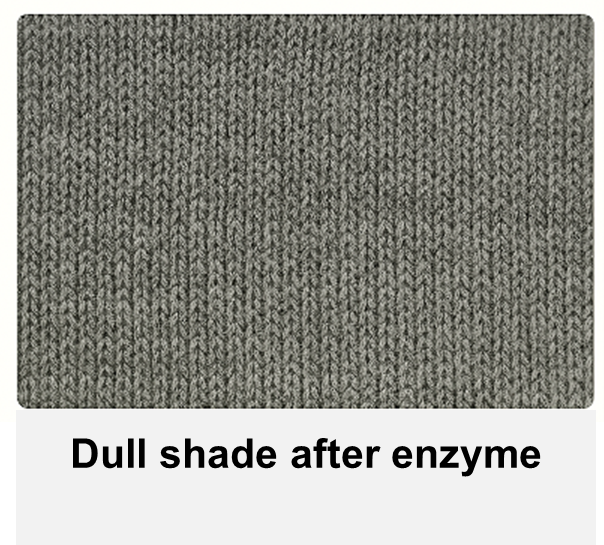
- Dull shades after enzyme treatment
- Inconsistent results from batch to batch
- Rising chemical and effluent treatment costs
At a time when sustainability and operational efficiency are key, these drawbacks are hard to ignore.
Osthoff knit singeing: precision without compromise
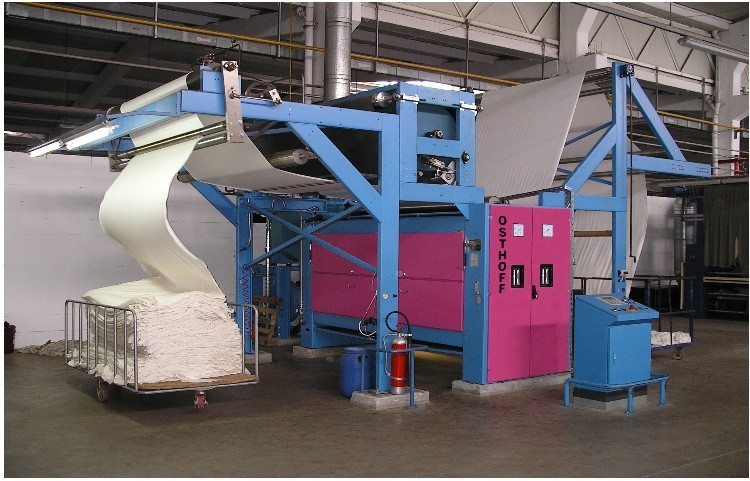
Osthoff‑Senge’s open‑width knit singeing machine offers a clean, dry, and continuous alternative. Instead of relying on water and enzymes, it uses accurately controlled flame exposure to treat the fabric surface—consistently and economically.
Designed for open‑width knits up to 2,600 mm, the machine delivers uniform results across the entire fabric width, run after run.
What changes on the shopfloor?
With Osthoff knit singeing in place, processors experience:
- Smoother fabric surfaces with reduced pilling
- Better shade depth retention
- Lower fibre and strength loss
- A cleaner, fluff free working environment
- Reduced energy, chemistry, and effluent costs
Many users acknowledged up to 50% lower operational costs compared to bio‑polishing—without sacrificing quality.
Built with knits in mind
From water‑cooled rollers and selvedge control to suction cleaning and steam‑assisted safety features, every aspect of the machine is designed to handle knit fabrics gently yet effectively.
Single‑ or double‑sided singeing in one pass further improves productivity without adding complexity.
A shift that makes sense
As processors look for smarter finishing routes that balance quality, cost, and sustainability, open‑width knit singeing stands out as a practical solution.
Osthoff‑Senge doesn’t just remove fibres—it removes inefficiencies from the process.